The global management consulting industry has exploded from $150 billion in 2010 to over $700 billion in 2024, creating an unprecedented need for organizations to optimize their consulting relationships. As businesses increasingly rely on external expertise to solve problems and drive transformation, a specialized discipline has emerged: consulting consulting.
This comprehensive guide explores how consulting consulting—also known as meta-consulting—helps organizations maximize their return on consulting investments through strategic procurement, performance management, and capability development. Whether you’re a procurement professional managing vendor relationships or an executive overseeing significant consulting spend, understanding these advisory services can deliver substantial cost savings and improved project outcomes.
What is Consulting Consulting?
Consulting consulting refers to specialized advisory services that help organizations optimize their use of external consulting firms and build effective internal consulting capabilities. This meta-consulting approach focuses on maximizing return on investment by providing expert guidance on procurement, management, evaluation, and strategic integration of consulting services.

The core objectives of consulting consulting include improving project outcomes, controlling costs, minimizing risks, and ensuring alignment between consulting engagements and business objectives. These services address critical questions that many organizations face: When should a company build internal expertise versus hiring external consultants? How can firms rigorously assess consulting proposals and select the best-fit partners? What methodologies ensure effective monitoring and evaluation of consulting deliverables?
Consider these concrete examples of consulting consulting in action:
A global bank engaged an independent advisor to benchmark proposed consulting rates and scope against market norms before commissioning a $10 million digital transformation project. This due diligence process identified potential cost savings of 25% while ensuring the selected consulting firm had proven expertise in similar implementations.
A technology company utilized a consulting consulting firm to establish internal controls and monitor knowledge transfer during a software implementation by an external vendor. The meta-consultant created structured governance processes that improved project delivery timelines by 30% and enhanced skills transfer to internal teams.
A pharmaceutical firm leveraged consulting consulting services to design, train, and evaluate their in-house project management office that coordinates all consulting engagements. This internal capability development reduced dependency on external consultants by 40% over two years while maintaining project quality standards.
The Evolution of Consulting Advisory Services
The emergence of consulting consulting can be traced to the 1990s, when organizations began grappling with rapidly increasing consulting spend and growing concerns about value and accountability. As management consulting became a mainstream strategic lever for Fortune 500 businesses, the need for oversight and expert procurement of advisory services became apparent.
Historical Timeline and Market Development
The consulting industry’s explosive growth created a parallel need for specialized oversight services:
1990s: Meta-consulting emerges as organizations struggle with increasing consulting complexity and spend. Early adopters begin questioning the value delivered by consulting firms and seek independent advice on vendor selection and management.
2003-2008: Formation of specialist advisory firms focusing on consulting governance. Companies like Sourcing Advisory Services and Clarity Consulting Group establish themselves as pioneers in the consulting consulting space, offering procurement and performance management services.
2010: Global consulting market reaches approximately $150 billion, with Fortune 500 companies spending an average of $50-100 million annually on external consulting services.
2015-2020: Adoption of formal consulting procurement and vendor management functions becomes standard practice at large corporations. Many organizations establish dedicated “centers of excellence” with procurement specialists experienced from both buy and sell sides of consulting.
2022: Acceleration of digital platforms driven by remote work trends. Technology solutions like Consultport, Business Talent Group, and Talmix begin automating consultant selection, tendering, and performance monitoring processes.
2024: The consulting consulting market emerges as a multi-billion opportunity within the broader $700 billion consulting industry, with specialized service providers across all major markets.
This evolution reflects the maturation of consulting as a business function and the recognition that strategic oversight can deliver significant value. Organizations now understand that effective management of consulting relationships requires the same rigor applied to other critical business processes.
Types of Consulting Consulting Services
The consulting consulting landscape encompasses several specialized service lines, each addressing critical stages in the consulting relationship lifecycle. These services help organizations navigate the complexity of vendor selection, contract negotiation, performance management, and capability development.
Consulting Procurement and Vendor Selection Services
Effective procurement forms the foundation of successful consulting relationships. These services focus on identifying qualified consulting firms, designing fair evaluation processes, and negotiating optimal contract terms.
Leading practices in consulting procurement include:
RFP Development: Crafting detailed requests for proposals that articulate project scope, deliverable expectations, evaluation criteria, and commercial constraints. A global chemicals company used a meta-consultant to design a two-phase RFP process that reduced average consultant proposal variance by over 65%, increasing perceived fairness and transparency across vendors.
Due Diligence and Benchmarking: Screening consultant capabilities through reference checks, case study analysis, and competitive benchmarking. Procurement advisors evaluate track records using proprietary databases and client surveys to ensure selected consultants have demonstrated success in similar engagements.
Contract Negotiation: Benchmarking fee structures against industry databases to achieve cost savings of 10-30%, according to research by Deloitte and Source Global Research. Innovative contract structures like gain-share models or success-fee arrangements align consultant incentives with client outcomes.

Performance Management and Quality Assurance
Ongoing project governance ensures consultants deliver agreed-upon value throughout the engagement lifecycle. Effective performance management relies on clear KPIs established at project initiation.
Key performance management frameworks include:
Milestone Tracking Systems: Dashboard reporting that monitors delivery against agreed timelines, budgets, and quality standards. These systems provide real-time visibility into project progress and enable proactive intervention when issues arise.
Quality Gates: Formal review processes tied to staged payments, where consultants must demonstrate achievement of specific deliverables before receiving additional fees. This approach reduces payment risk while maintaining quality standards.
Performance Scorecards: Comprehensive evaluation tools that assess consultant performance across multiple dimensions including technical delivery, stakeholder management, knowledge transfer effectiveness, and cultural fit with the client organization.
Post-Engagement Audits: Systematic reviews comparing baseline conditions to achieved outcomes, measuring actual business impact delivered. A global insurance firm implementing formal performance measurement reported a 40% increase in project success rates according to a 2023 Deloitte study.
Internal Consulting Capability Development and Training
Building internal consulting capabilities reduces long-term dependency on external vendors while improving organizational knowledge retention. These services help organizations develop sustainable internal expertise.
Capability development programs typically include:
Maturity Assessments: Diagnostic tools that evaluate current internal consulting capabilities and identify development opportunities. These assessments benchmark organizations against industry best practices and highlight areas for improvement.
Training Programs: Structured development initiatives that build internal consulting skills across project management, analysis, facilitation, and change management. Programs often include both formal training and mentorship from experienced practitioners.
PMO Development: Design and implementation of project management offices capable of coordinating multiple consulting engagements simultaneously. Effective PMOs standardize processes, improve resource allocation, and enhance knowledge sharing across the organization.
Consulting Spend Analysis and Cost Optimization
Systematic analysis of consulting expenditures identifies savings opportunities and improves budget allocation decisions. These services provide data-driven insights into spending patterns and vendor performance.
Spend analysis typically encompasses:
Expenditure Categorization: Detailed breakdown of consulting spend by business unit, project type, consultant tier, and service category. This analysis reveals spending patterns and identifies consolidation opportunities.
Market Benchmarking: Comparison of internal rates against industry standards using proprietary databases. This benchmarking helps organizations understand whether they’re paying competitive rates for consulting services.
ROI Analysis: Measurement of actual returns delivered by consulting investments, comparing costs against quantifiable business benefits. This analysis informs future procurement decisions and vendor selection criteria.
Risk Management for Consulting Engagements
Comprehensive risk management protects organizations from legal, operational, and reputational exposure associated with consulting relationships. These services establish governance frameworks that minimize potential liabilities.
Risk management services include:
Contractual Risk Assessment: Review of legal obligations, insurance requirements, and liability provisions in consulting agreements. This assessment ensures appropriate risk allocation between client and consultant.
Conflict of Interest Screening: Systematic evaluation of potential conflicts that might compromise consultant objectivity or create competitive disadvantages for the client organization.
Compliance Monitoring: Ongoing oversight of consultant adherence to regulatory requirements, internal policies, and ethical standards relevant to the engagement.
Leading Consulting Consulting Firms and Platforms
The consulting consulting market comprises diverse service providers ranging from specialized boutique firms to technology platforms and consulting arms of major professional services organizations. Each category offers distinct capabilities and serves different market segments.
Independent Advisory Firms
Pure-play consulting consulting firms focus exclusively on optimizing client relationships with external consultants. These organizations typically offer deep expertise in procurement, vendor management, and performance optimization.
Source Global Research (founded 2007) provides consulting market intelligence, benchmarking, and vendor evaluation services. The firm maintains proprietary databases of consulting rates, project outcomes, and vendor performance metrics used by Fortune 500 companies for procurement decisions.
ALM Intelligence (acquired 2019 by Deltek) specializes in legal and consulting market analysis, offering research and advisory services that help organizations select and manage professional service providers. Their industry reports and benchmarking studies inform procurement strategies across multiple sectors.
Clarity Consulting Group (established 2011) focuses on consulting optimization for technology and healthcare organizations. The firm provides hands-on advisory services including RFP design, vendor selection, and project oversight for complex implementations.
Technology Platforms
Digital platforms automate many aspects of consultant sourcing, procurement, and performance tracking, making consulting consulting services more accessible to mid-market organizations.
Consultport (established 2018) offers a comprehensive platform for consultant sourcing and project management. The platform includes vendor databases, automated matching algorithms, and performance tracking tools that streamline the entire consulting procurement process.
Business Talent Group provides access to independent consultants and project-based expertise through a digital marketplace. Their platform includes vetting processes, project management tools, and performance analytics that help organizations optimize consulting relationships.
Maven Research (founded 2008) connects organizations with subject matter experts through a global network platform. The service includes consultation management tools and outcome tracking capabilities.

Big Four Consulting Arms
Major professional services firms offer specialized consulting consulting functions aimed at large corporate clients, combining process redesign expertise with advanced analytics capabilities.
Deloitte Consulting Procurement provides comprehensive consulting optimization services including spend analysis, vendor management, and performance improvement programs. Their offerings leverage proprietary benchmarking data and industry expertise.
PwC Advisory offers consulting consulting services focused on procurement transformation, vendor relationship management, and internal capability development. Their approach emphasizes digital tools and analytics-driven insights.
EY Consulting Optimization specializes in helping organizations maximize value from consulting investments through strategic procurement, performance management, and capability building programs.
Corporate Internal Organizations
Leading corporations have developed sophisticated internal consulting management capabilities that sometimes offer services to external clients.
General Electric developed one of the most comprehensive internal consulting management programs, reducing spend by $110 million over five years while increasing global reuse of consulting deliverables. GE’s approach became a benchmark for other large organizations.
IBM established consulting procurement centers of excellence that standardize vendor selection, contract negotiation, and performance management across global operations. Their methodology emphasizes outcome-based contracting and continuous improvement.
Accenture operates internal consulting optimization functions that manage relationships with third-party consulting firms for specialized services outside their core capabilities.
Benefits of Consulting Consulting
Organizations implementing structured consulting consulting programs realize measurable improvements across cost, quality, and strategic alignment dimensions. These benefits justify investment in meta-consulting services and drive adoption across industries.
Cost Savings and Financial Optimization
The most immediately quantifiable benefits of consulting consulting relate to direct cost reduction and improved budget efficiency. Research consistently demonstrates significant savings potential:
Companies utilizing structured consulting procurement and management realize cost savings of 15-30% across consulting expenditures, according to comprehensive studies by Source Global Research and Business Talent Group. These savings result from improved vendor selection, better contract negotiation, and enhanced performance management.
Market Rate Benchmarking: Organizations achieve average savings of 20% by benchmarking proposed rates against industry databases before contract signature. This benchmarking prevents overpayment and ensures competitive pricing across all consulting categories.
Contract Optimization: Sophisticated negotiation strategies, including outcome-based fee structures and performance incentives, reduce total cost of ownership while improving consultant accountability. Some organizations report savings of up to 35% through innovative contract designs.
Spend Consolidation: Strategic vendor portfolio management enables volume discounts and improved terms through consolidated relationships. Organizations typically achieve 10-15% savings by reducing vendor fragmentation and concentrating spend with preferred partners.
Improved Project Outcomes and Success Rates
Beyond cost reduction, consulting consulting delivers substantial improvements in project quality and business impact. Performance management disciplines significantly enhance delivery success:
A comprehensive 2023 Deloitte study found that organizations with formal consulting performance management systems achieve 40% higher project success rates compared to those without structured oversight. This improvement stems from clearer expectations, better monitoring, and proactive intervention when projects deviate from plan.
Enhanced Deliverable Quality: Quality gate processes and milestone reviews ensure consulting outputs meet defined standards before acceptance. Organizations report 50% fewer deliverable rejections when formal quality assurance processes are implemented.
Improved Knowledge Transfer: Structured knowledge management ensures that consulting insights and capabilities transfer effectively to internal teams. Companies with formal knowledge transfer requirements report 60% better retention of consulting-delivered capabilities.
Accelerated Implementation: Clear project governance and performance monitoring reduce implementation timelines by an average of 25%, enabling faster realization of business benefits.
Risk Reduction and Governance Enhancement
Consulting consulting services substantially reduce various risks associated with external consulting relationships:
Contractual Risk Mitigation: Standardized contract terms and risk allocation provisions protect organizations from liability exposure and ensure appropriate insurance coverage. Legal risk incidents decrease by approximately 70% with proper contract governance.
Performance Risk Management: Early warning systems and intervention protocols prevent project failures and minimize sunk costs. Organizations report 80% fewer project cancellations when proactive performance management is implemented.
Vendor Risk Assessment: Comprehensive due diligence processes screen for financial stability, capability gaps, and potential conflicts of interest before vendor selection.
Strategic Alignment and Capability Building
Long-term benefits of consulting consulting include enhanced strategic alignment and reduced organizational dependency on external providers:
Strategic Integration: Formal governance processes ensure consulting investments align with business priorities and deliver measurable value against strategic objectives. This alignment prevents fragmented initiatives and ensures coordinated effort across the organization.
Internal Capability Development: Systematic knowledge transfer and capability building programs reduce long-term dependency on external consultants. Organizations typically achieve 30-40% reduction in consulting spend over 3-5 years through internal capability development.
Organizational Learning: Structured capture and dissemination of consulting insights builds institutional knowledge and prevents repeated investment in similar solutions.
Challenges and Considerations
While consulting consulting delivers substantial benefits, organizations frequently encounter implementation obstacles that require careful management. Understanding these challenges enables proactive mitigation and successful program deployment.
Complexity and Resource Demands
Managing comprehensive consulting consulting programs requires significant organizational investment and sophisticated coordination capabilities:
Multi-Vendor Coordination: Large enterprises often manage hundreds of simultaneous consulting relationships across different business units, geographies, and service categories. This complexity demands robust program management capabilities and standardized processes that can scale across diverse requirements.
Resource Intensity: Establishing effective consulting governance requires dedicated personnel with specialized skills in procurement, vendor management, and performance measurement. Organizations typically need to invest 2-3% of their annual consulting spend in program management resources.
Change Management: Implementing new consulting governance processes often requires significant cultural change, particularly in organizations where business units have historically managed vendor relationships independently. Resistance to centralized oversight can slow adoption and reduce program effectiveness.
Conflict of Interest Risks
The consulting consulting industry faces inherent conflicts when external advisors make recommendations that impact their own service opportunities:
Advisory Bias: External consulting consulting firms may unconsciously favor recommendations that create opportunities for their own organizations or affiliated companies. This bias can compromise the objectivity of vendor selection and strategy development.
Market Competition: When consulting firms offer both advisory and implementation services, potential conflicts arise in evaluation processes. Organizations must carefully separate advisory functions from delivery capabilities to maintain objectivity.
Vendor Relationship Management: Long-term relationships between consulting consulting firms and implementation vendors can create subtle biases that affect recommendation quality. Transparency and rotating advisory relationships help mitigate these risks.
Cultural and Organizational Resistance
Successful consulting consulting implementation requires overcoming entrenched organizational behaviors and cultural resistance:
Stakeholder Buy-In: Business unit leaders accustomed to independent vendor relationships may resist centralized oversight, viewing it as bureaucratic interference rather than value creation. Executive sponsorship and clear value demonstration are essential for overcoming this resistance.
Process Adoption: Implementing standardized procurement and performance management processes requires training and cultural change across the organization. Adoption rates improve when processes demonstrably improve outcomes rather than simply adding administrative burden.
Measurement Challenges: Quantifying long-term value from consulting engagements remains difficult, particularly for strategic advisory services or capability building initiatives. This measurement challenge can undermine support for consulting consulting programs.
Implementation and Operational Challenges
Practical implementation obstacles can impede consulting consulting program success:
Technology Integration: Effective consulting management requires integration with procurement systems, financial reporting, and project management platforms. Technical complexity and system integration costs can delay implementation and increase program overhead.
Standardization Complexity: Developing standardized processes that accommodate diverse consulting categories while maintaining flexibility for unique requirements challenges many organizations. Over-standardization can reduce effectiveness while under-standardization fails to capture available benefits.
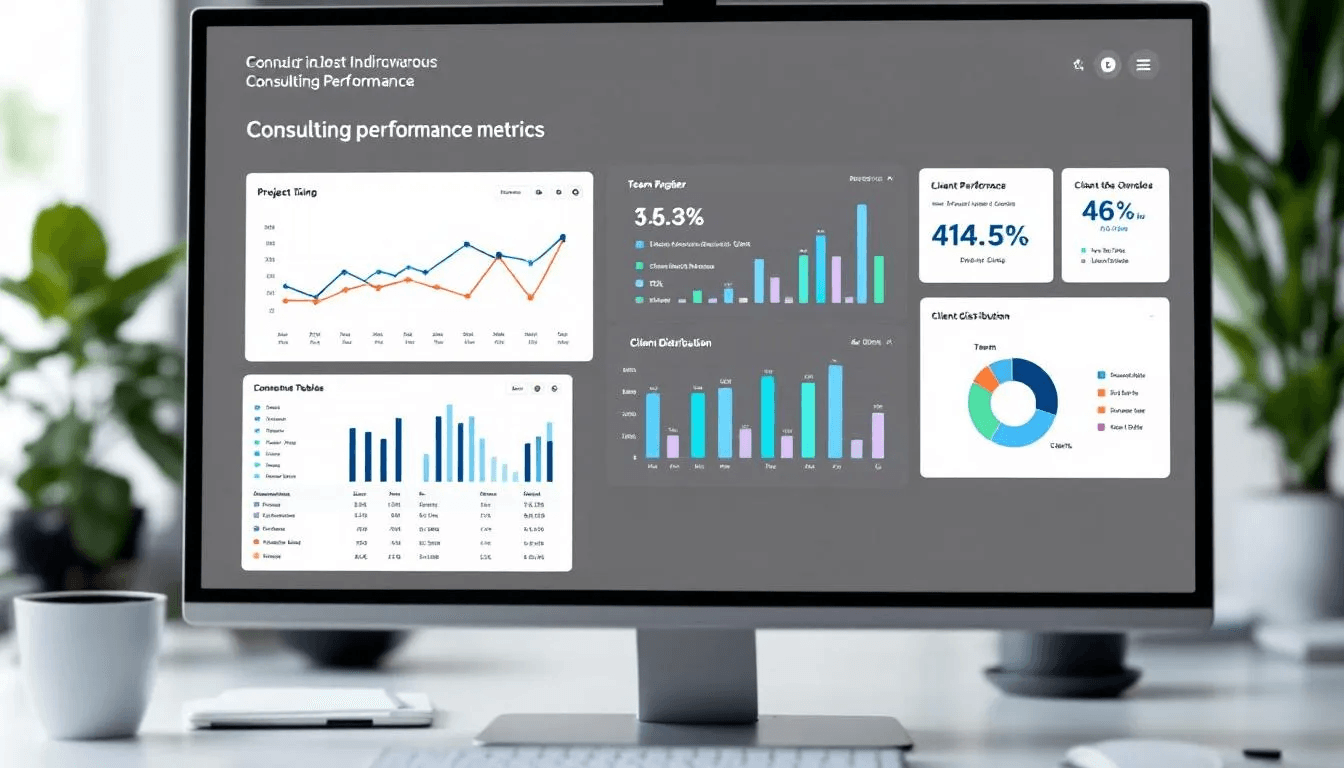
Performance Measurement: Establishing meaningful KPIs that capture both quantitative and qualitative consulting value requires sophisticated measurement frameworks. Many organizations struggle to develop metrics that accurately reflect consulting impact on business outcomes.
Mitigation Strategies and Best Practices
Leading organizations successfully address these challenges through proven mitigation approaches:
Clear Governance Separation: Establishing clear boundaries between procurement advisory functions and implementation services prevents conflicts of interest. Some organizations require separate firms for advisory and delivery services.
Phased Implementation: Gradual rollout of consulting consulting capabilities allows organizations to demonstrate value and build support before implementing comprehensive programs. Starting with high-visibility, high-impact initiatives builds credibility and organizational support.
Transparent Communication: Regular communication about program benefits, success stories, and lessons learned helps build organizational support and addresses resistance proactively.
Continuous Improvement: Iterative refinement of processes and metrics based on experience and feedback ensures consulting consulting programs remain relevant and valuable over time.
Future Trends in Consulting Consulting
The consulting consulting market is evolving rapidly, driven by technological advancement, changing client expectations, and broader shifts in the professional services industry. Understanding these trends enables organizations to prepare for future opportunities and challenges.
AI-Powered Consulting Management
Artificial intelligence and machine learning technologies are transforming consulting consulting capabilities, enabling more sophisticated vendor selection, project scoping, and performance prediction:
Automated Vendor Matching: AI algorithms analyze project requirements, consultant capabilities, and historical performance data to recommend optimal vendor selections. These systems consider factors including technical expertise, cultural fit, pricing competitiveness, and track record in similar engagements. Industry experts predict AI-powered vendor selection will become mainstream by 2025.
Predictive Performance Analytics: Machine learning models analyze project characteristics, team composition, and environmental factors to predict likely outcomes before engagement initiation. These predictions help organizations proactively address risk factors and optimize project design for success.
Intelligent Scope Definition: Natural language processing tools analyze RFP requirements and automatically generate detailed scope definitions, reducing ambiguity and improving vendor response quality. This technology helps standardize scoping processes while reducing administrative overhead.
Real-Time Performance Monitoring: AI-powered dashboards continuously analyze project communications, deliverable quality, and milestone progress to provide early warning of potential issues. These systems enable proactive intervention before problems become critical.
Outcome-Based Contracting Evolution
The consulting industry is shifting toward more sophisticated outcome-based contract structures that align consultant incentives with client success:
Performance-Linked Fee Structures: Success fee models where consultant compensation depends directly on achieving predefined business outcomes are gaining traction across industries. Gartner and Deloitte project these arrangements will represent over 20% of large consulting contracts by 2026.
Risk-Sharing Arrangements: Innovative contract designs where consultants share both upside and downside risk encourage more collaborative relationships and better outcome focus. These arrangements require sophisticated measurement systems and clear baseline definitions.
Value-Based Pricing: Organizations increasingly evaluate consulting investments based on total business value delivered rather than time and materials costs. This shift requires more sophisticated ROI measurement and outcome tracking capabilities.
ESG and Sustainability Integration
Growing emphasis on environmental, social, and governance considerations is driving new requirements in consulting consulting:
ESG Expertise Screening: Organizations now evaluate consulting firms’ sustainability credentials and ESG expertise as standard vendor selection criteria. Source Global Research reports a 30% year-on-year increase in ESG-related consulting spend since 2022.
Sustainability Impact Measurement: Consulting consulting services increasingly include assessment of environmental and social impact from consulting recommendations. This measurement helps organizations ensure consulting investments align with sustainability commitments.
Responsible Consulting Procurement: Organizations are implementing responsible sourcing principles in consulting procurement, considering factors like diversity, inclusion, and ethical business practices in vendor selection decisions.
Digital Transformation of Consulting Management
The COVID-19 pandemic accelerated adoption of digital tools and remote delivery models, fundamentally changing consulting consulting practices:
Virtual Collaboration Platforms: Remote consulting delivery requires new performance monitoring tools and collaboration frameworks. Digital platforms provide enhanced visibility into consultant activities and deliverable development.
Automated Contract Management: Digital contract platforms streamline agreement execution, amendment processing, and compliance monitoring. These systems reduce administrative overhead while improving contract governance.
Real-Time Spend Analytics: Cloud-based analytics platforms provide immediate visibility into consulting spend patterns, enabling proactive budget management and cost optimization.
Integrated Professional Services Management
Organizations are expanding consulting consulting concepts to encompass broader professional services categories:
Unified Vendor Management: Integration of consulting procurement with legal, IT, and other professional services buying streamlines governance and improves spend optimization across all external advisory categories.
Cross-Category Analytics: Comprehensive spend analysis across all professional services reveals optimization opportunities and enables coordinated vendor relationship management.
Holistic Capability Planning: Strategic workforce planning increasingly considers the optimal mix of internal capabilities, consulting services, and other external expertise to achieve business objectives efficiently.
Getting Started with Consulting Consulting
Organizations seeking to implement consulting consulting capabilities should follow a systematic approach that builds on proven best practices while addressing their specific requirements and constraints. Successful implementation typically requires 6-18 months with early results showing 10-20% cost reductions and measurable outcome improvements.
Assessment and Baseline Establishment
The foundation of successful consulting consulting implementation requires comprehensive understanding of current state capabilities and improvement opportunities:
Consulting Spend Analysis: Conduct detailed analysis of current consulting expenditures across all categories, business units, and geographies. This analysis should identify spending patterns, vendor relationships, project outcomes, and cost benchmarks. Effective analysis typically reveals 15-25% savings opportunities through better procurement practices.
Vendor Landscape Mapping: Document existing vendor relationships, contract terms, and performance history. This mapping identifies consolidation opportunities, rate disparities, and relationship management improvements that can deliver immediate value.
Process Maturity Assessment: Evaluate current consulting procurement, management, and governance processes against industry best practices. Assessment tools help identify capability gaps and prioritize improvement initiatives based on potential impact and implementation complexity.
Outcome Measurement Baseline: Establish baseline metrics for consulting effectiveness including project success rates, budget adherence, timeline performance, and business impact. These baselines enable measurement of consulting consulting program value and continuous improvement over time.
Governance Framework Development
Successful consulting consulting requires formal governance structures that define roles, responsibilities, processes, and performance standards:
Policy Development: Create comprehensive policies covering consulting procurement, vendor selection criteria, contract standards, and performance management requirements. Policies should balance standardization with flexibility to accommodate diverse business needs.
Organizational Design: Establish clear roles and responsibilities for consulting management including procurement specialists, vendor relationship managers, and performance analysts. Many organizations create consulting centers of excellence that provide expertise and standards across business units.
Decision Authority Matrix: Define decision-making authority for different types of consulting engagements based on factors like spend level, strategic importance, and risk profile. Clear authority matrices prevent delays while ensuring appropriate oversight.
Performance Metrics Framework: Develop comprehensive KPIs covering cost efficiency, delivery quality, vendor performance, and business impact. Effective metrics frameworks balance quantitative measures with qualitative assessments of consulting value.

Technology Platform Selection
Modern consulting consulting relies heavily on technology platforms that automate processes, provide analytics, and enable effective vendor management:
Platform Requirements Definition: Identify specific technology requirements based on organizational size, complexity, and strategic priorities. Requirements typically include vendor databases, procurement workflows, performance dashboards, and analytics capabilities.
Vendor Evaluation Process: Systematically evaluate available platforms including pure-play consulting management solutions, procurement platforms with consulting modules, and custom development options. Consider factors like functionality, integration capabilities, scalability, and total cost of ownership.
Implementation Planning: Develop detailed implementation plans including data migration, system integration, user training, and change management activities. Successful platform implementations typically require 3-6 months with phased rollout approaches.
Success Metrics Definition: Establish clear success criteria for technology implementations including user adoption rates, process efficiency improvements, and business outcome enhancements.
Capability Building and Training
Effective consulting consulting requires specialized skills and knowledge that may not exist within current organizational capabilities:
Skills Gap Assessment: Identify specific capability requirements for effective consulting management including procurement expertise, vendor relationship management, performance measurement, and contract negotiation. Assessment helps prioritize training investments and hiring decisions.
Training Program Development: Create comprehensive training programs covering consulting procurement best practices, vendor selection methodologies, performance management techniques, and relationship management skills. Programs should address both technical skills and behavioral capabilities.
Change Management Strategy: Develop systematic change management approaches that address organizational resistance, build stakeholder support, and ensure adoption of new processes. Effective change management significantly improves implementation success rates.
Continuous Learning Framework: Establish ongoing learning and development programs that keep consulting management capabilities current with industry evolution and best practice development.
Implementation Roadmap and Phasing
Successful consulting consulting implementation follows structured phases that build capabilities progressively while demonstrating value:
Phase 1 – Foundation Building (Months 1-3): Establish basic governance framework, conduct comprehensive baseline assessment, and identify quick-win opportunities. This phase typically delivers 5-10% cost savings through immediate process improvements.
Phase 2 – Process Implementation (Months 4-9): Deploy standardized procurement processes, implement technology platforms, and begin formal vendor management activities. This phase expands savings to 10-20% while improving delivery quality.
Phase 3 – Advanced Capabilities (Months 10-18): Implement sophisticated performance management, outcome measurement, and strategic capability planning. This phase maximizes long-term value through enhanced consulting effectiveness.
Phase 4 – Optimization and Innovation (Ongoing): Continuously refine processes, adopt new technologies, and expand capabilities based on experience and industry evolution. This phase ensures sustained value delivery and competitive advantage.
Mature organizations report typical implementation periods align with this phasing approach, with early results frequently showing immediate cost reductions and measurable improvements in project transparency and stakeholder satisfaction. The key to success lies in maintaining focus on business value while building sustainable capabilities that evolve with organizational needs and industry best practices.
Organizations investing in consulting consulting realize measurable improvements in cost efficiency, project outcomes, and strategic alignment. As the consulting industry continues evolving with new technologies, contract models, and service delivery approaches, the role of consulting consulting becomes increasingly critical for maximizing value from external advisory relationships. The future belongs to organizations that can effectively manage the complex ecosystem of consulting services while building internal capabilities that reduce long-term dependency and enhance competitive advantage.