Top Insurance Advisory Services for Risk Management and Growth
Insurance advisory services provide the expert guidance businesses need to manage risks, choose the right insurance plans, and stay compliant with regulations. This article covers top strategies for effective risk management and business growth.
Key Takeaways
- Effective risk management strategies are essential for financial stability, requiring a thorough evaluation of risk profiles and total cost of risk analysis.
- Selecting the right insurance partners and utilizing independent vendor solutions enhance risk management profiles and improve overall coverage.
- Insurance advisory services offer crucial support during M&A and IPO processes, facilitating effective planning and execution to ensure long-term success.
Optimizing Risk Management Strategies
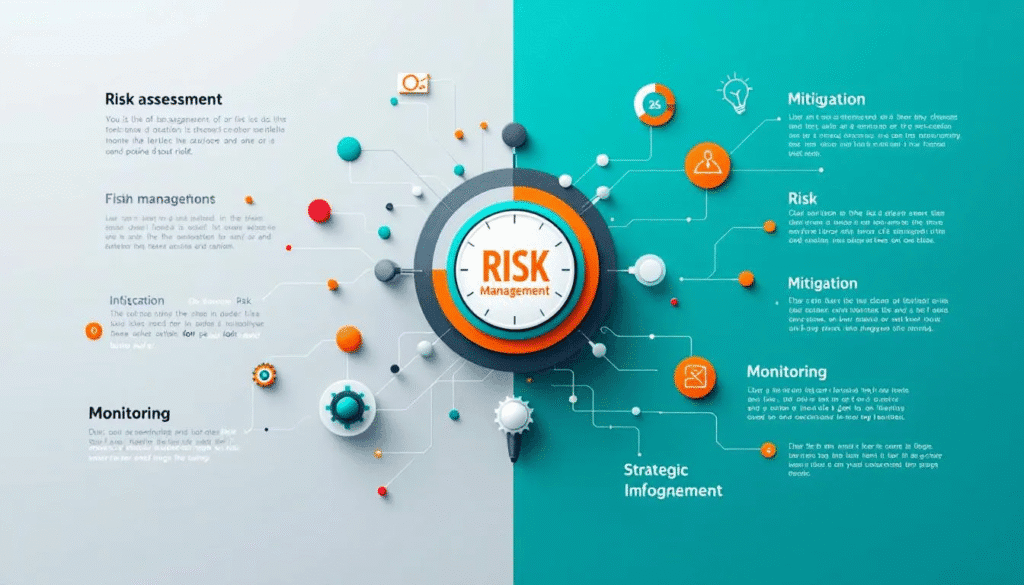
Effective risk management is the bedrock of financial stability and operational success. Optimizing risk management strategies helps organizations safeguard their assets, adapt to evolving risk landscapes, and stay ahead of potential threats. Insurance advisory services play a crucial role in this process, offering best-in-class risk management processes and competitive program structures that enhance decision-making and innovation. Collaboration with top-tier service providers and access to current market data further bolster an organization’s ability to manage risk effectively.
Achieving optimal risk management involves delving into areas like evaluating risk profiles, conducting total cost of risk analysis, and seeking strategic risk management advisory. These subsections provide a comprehensive approach to understanding and mitigating risks, ensuring that organizations are well-prepared to face any challenges that may arise.
Evaluating Risk Profiles
Assessing risk profiles is a foundational step in effective risk management, involving both qualitative and quantitative evaluations to understand an organization’s risk exposure comprehensively. Publications from insurance advisory firms often provide in-depth analyses of current industry challenges and emerging trends, which can guide organizations in identifying and mitigating potential risks.
Independent vendors offer tailored risk management solutions closely aligned with specific client needs, playing a pivotal role in this process. These customized solutions enhance the effectiveness of risk management practices, ultimately helping organizations reduce risk and achieve greater operational stability.
Total Cost of Risk Analysis
Total cost of risk analysis methodically evaluates an organization’s risk exposure through an in-depth review of current insurance programs, claims profiles, and other contributing factors. Benchmarking solutions help organizations compare their risk management strategies against industry standards, providing valuable insights for improvement.
Independent, objective reviews are critical in this analysis as they offer an unbiased evaluation of risk management processes. Understanding the total cost of risk enables organizations to make informed decisions that reduce risk and enhance financial stability through financial due diligence.
Strategic Risk Management Advisory
Customized risk management advisory refines coverage and program structures to boost overall efficiency. These tailored strategies can lead to improved financial performance and strategic alignment, ensuring that organizations are well-positioned to achieve their goals. Advisory firms increasingly publish research that combines industry expertise with data analytics to uncover unique insights, further enhancing their value to clients.
Insurance advisory firms offer a broad range of services and expertise, enhancing an organization’s risk management capabilities. This strategic advisory approach helps organizations navigate the complexities of risk management, ultimately reducing risk and enhancing operational resilience.
Insurance Vendor Selection
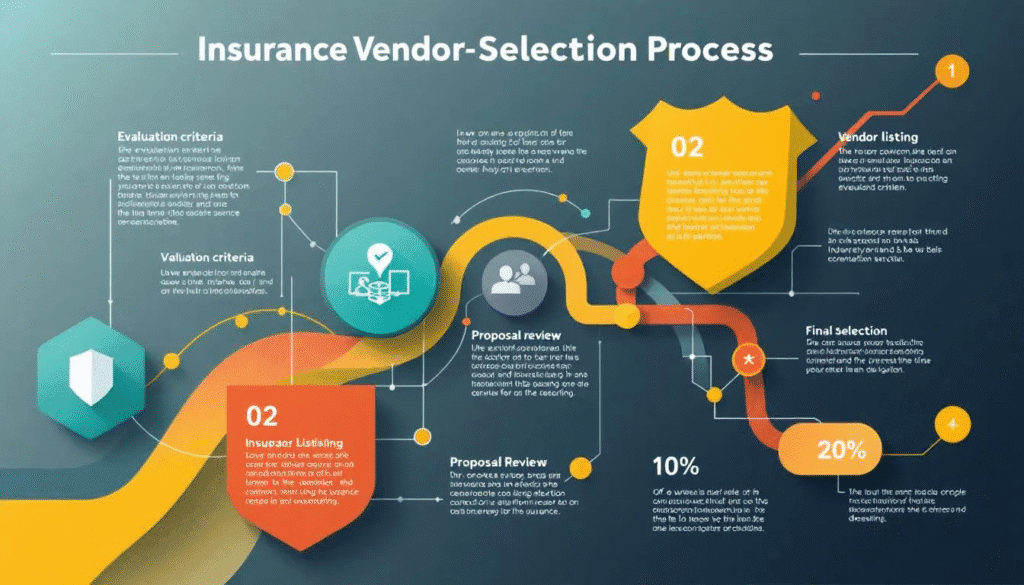
Selecting the right insurance partners is crucial for effective risk management. The insurance industry is diverse, with numerous:
- Insurers
- Insurance underwriters
- Insurance broker offering a wide range of services. Engaging the right partners is vital for developing a robust risk management profile and comprehensive coverage.
Insurance advisory partners play a vital role in this process by conducting thorough assessments of existing policies, processes, and vendor relationships to assist in ensuring partner relationships with insurers that align with specific needs and risk management goals, assisting in achieving optimal outcomes as a managing partner.
Independent vendor solutions that enhance the selection focus process in the UK will be discussed next for further information.
Independent Vendor Solutions
The advisory team adopts an independent and vendor-agnostic approach in selecting partners, ensuring that the chosen insurers and vendors are the best fit for the organization’s needs. Comprehensive assessments of existing policies, processes, and vendor relationships are conducted to identify areas for improvement and enhance risk management solutions.
Maintaining independence allows the advisory team to offer objective recommendations and customized solutions aligned with the client’s specific requirements. This approach ensures that organizations are equipped with the best possible partners and solutions to manage their risks effectively.
M&A and IPO Readiness
Mergers and acquisitions (M&A) and initial public offerings (IPOs) are significant milestones that require meticulous planning and execution. Insurance advisory plays a crucial role at various stages of these processes, offering essential guidance and support to ensure a smooth transition and successful outcome. This support includes assessing readiness, conducting due diligence, and facilitating integration during merger processes, particularly in investment banking.
Leveraging the expertise of insurance advisory partners helps organizations navigate the complexities of M&A and IPO transactions with confidence. The lifecycle support provided by these advisory services covers all crucial aspects of risk management and preparation needed for long-term success.
Lifecycle Support
During M&A transactions, advisory services support buyers and sellers by identifying potential risks and structuring appropriate insurance solutions. This comprehensive support helps establish robust risk foundations that ensure operational effectiveness and success.
The lifecycle support provided by insurance advisory partners covers all critical aspects, from assessing risk profiles and managing exposures to ensuring a smooth transition toward IPO readiness. This holistic approach ensures that organizations are well-prepared to achieve their strategic initiatives and growth objectives.
Captive Insurance Solutions
Captive insurance provides a unique alternative to traditional insurance by allowing businesses to create customized policies that address specific risks. These tailored solutions enable organizations to manage collateral related to insurance and reinsurance effectively, streamlining operations and improving financial stability.
The process of evaluating and designing captive insurance solutions begins with a thorough assessment of an organization’s specific risk management needs. The following subsections will explore the evaluation and design of captive insurance programs as well as their strategic deployment and winddown.
Captive Evaluation and Design
Tailoring captive insurance solutions starts with assessing an organization’s specific risk management needs through a feasibility study that evaluates risks, loss history, and gaps in coverage. Building a team of specialists, including actuaries and legal advisors, is crucial for effectively structuring and managing a captive insurance program.
Custom captive insurance programs are designed to enhance the efficiency and effectiveness of an organization’s risk management, providing tailored solutions that address specific risks and improve overall financial stability.
Strategic Deployment and Winddown
Successful deployment of captive insurance requires thorough planning to align with organizational objectives. Effective implementation involves ongoing identification of opportunities for maximizing the structure of the captive program and ensuring regulatory compliance.
The winddown phase of captive insurance involves structured processes to reclaim trapped assets, manage legacy liabilities, and ensure financial recovery. This strategic approach ensures that organizations can effectively exit their captive insurance programs while maintaining revenue stability and compliance.
Claims and Collateral Solutions

Claims and collateral solutions are integral to the total cost of risk analysis, which includes a detailed review of current insurance programs and claims profiles. Effective claims management can significantly impact an organization’s financial stability and operational efficiency, including its capital.
The following subsection will delve into casualty claims strategies, highlighting the importance of clear communication, effective reporting, and dedicated support in managing casualty claims.
Casualty Claims Strategies
Effective strategies for managing casualty claims include assistance in navigating the claims process through clear communication protocols and advanced reporting techniques. This enhances visibility and tracking, leading to better coordination among stakeholders and more efficient claims management.
Specialized knowledge in legal and medical aspects is crucial for negotiating and resolving claims efficiently. By establishing dedicated resources within risk management, organizations can proactively and effectively handle casualty claims, ultimately reducing their overall life risk.
Technology Transformation in Insurance

The insurance industry is undergoing significant transformation driven by emerging technologies for the future. Insurers are increasingly leveraging advanced analytics to identify and analyze emerging risks, reshaping opportunities in the sectors.
The following subsections will explore the impact of technology on cyber risk management and the benefits of automation and efficiency in insurance operations.
Cyber Risk Management
In an increasingly digital insurance landscape, managing cyber risks is crucial for ensuring the integrity and security of sensitive information. Implementing robust data privacy measures is essential for compliance and protecting customer information.
Events like the Cyber Risk Insights Conference gather industry leaders to discuss pressing insurance topics and share insights, helping organizations stay ahead of emerging cyber risks.
Automation and Efficiency
Automation in insurance operations streamlines processes, reduces manual errors, and improves overall service delivery. Implementing automation significantly cuts processing times and enhances customer service.
Automation also helps reduce operational costs and empowers organizations to optimize their strategies and operations, ensuring long-term success in a competitive industry.
Regulatory Compliance and Advisory
Regulatory compliance is a critical aspect of risk management in the insurance industry. Choosing the right insurance vendors is crucial for minimizing risks and ensuring compliance with regulations.
The following subsections will explore the development of tailored compliance strategies and the importance of ongoing compliance support to address concerns and maintain operational integrity.
Compliance Strategy Development
Developing tailored compliance strategies involves:
- Identifying business units with the highest regulatory risks
- Focusing compliance efforts effectively
- Continuously monitoring and refining compliance programs to adapt to evolving regulatory landscapes.
By integrating ethical conduct and regulatory adherence into an organization’s culture, companies can effectively address the unique regulatory requirements of different insurance markets.
Ongoing Compliance Support
Continuous compliance support is vital for adapting to regulatory changes and maintaining operational integrity in the insurance industry. Regular audits and employee training ensure understanding of regulations and adherence to company policies.
By continuously monitoring and reporting potential compliance issues, organizations can address them before they escalate, ensuring sustained compliance and long-term success.
Thought Leadership and Industry Insights
Thought leadership in the insurance advisory sector is crucial for empowering organizations by providing insights that inform strategic decisions. Publications from insurance advisory firms offer valuable insights into industry trends and best practices in risk management.
The following subsections will explore the value of thought leadership publications and the benefits of participating in industry events and webcasts.
Thought Leadership Publications
Publications from insurance advisory firms often highlight emerging trends and case studies to guide industry practices. Research papers and reports from industry leaders serve as key resources for organizations looking to adapt to changing insurance dynamics.
These thought leadership publications provide valuable insights that help organizations navigate the complexities of the insurance industry and make informed decisions.
Industry Events and Webcasts
Industry events and webcasts serve as platforms where leaders share insights on emerging industry topics, enhancing understanding and engagement. Participation in these events increases networking opportunities and access to insights that can drive organizational growth.
By staying informed about industry trends and best practices, organizations can navigate challenges and discover opportunities in the world of insurance, ensuring long-term success in the insurance market.
Summary
Throughout this comprehensive exploration of insurance advisory services, we have delved into various critical components that are essential for optimizing risk management and fostering growth. From evaluating risk profiles and conducting total cost of risk analysis to selecting the right insurance vendors and preparing for M&A and IPO processes, each aspect plays a pivotal role in ensuring organizational stability and success.
Insurance advisory services provide invaluable support in navigating the complexities of the insurance sector, leveraging technology transformation, ensuring regulatory compliance, and embracing thought leadership. By harnessing these insights and strategies, organizations can effectively manage risks, enhance operational efficiency, and drive long-term growth.
Frequently Asked Questions
Why is optimizing risk management strategies crucial for organizations?
Optimizing risk management strategies is essential for ensuring financial stability and facilitating informed decision-making. This proactive approach enables organizations to navigate evolving risks and achieve operational success.
How do independent vendors contribute to risk management?
Independent vendors contribute to risk management by offering customized solutions that directly address an organization’s unique requirements, thereby improving the effectiveness of risk management practices and fostering operational stability. Their specialized expertise enables organizations to mitigate risks more efficiently.
What is the importance of total cost of risk analysis?
Total cost of risk analysis is crucial as it provides a thorough evaluation of an organization’s risk exposure, enabling informed decisions that can significantly reduce risks and improve financial stability. This holistic approach helps organizations manage their risks more effectively.
How do insurance advisory services support M&A and IPO processes?
Insurance advisory services play a vital role in M&A and IPO processes by providing essential guidance on readiness assessments, due diligence, and integration. This support ensures a smooth transition, ultimately contributing to a successful outcome.
What role does technology play in the transformation of the insurance industry?
Technology significantly transforms the insurance industry by enhancing risk assessment through advanced analytics and improving customer interaction. Automation further streamlines processes and reduces operational costs, leading to greater efficiency in service delivery.